
Trends in the application of nanomaterials in modern industrial production

Nanomaterials – Driving Innovation Across Multiple Industries
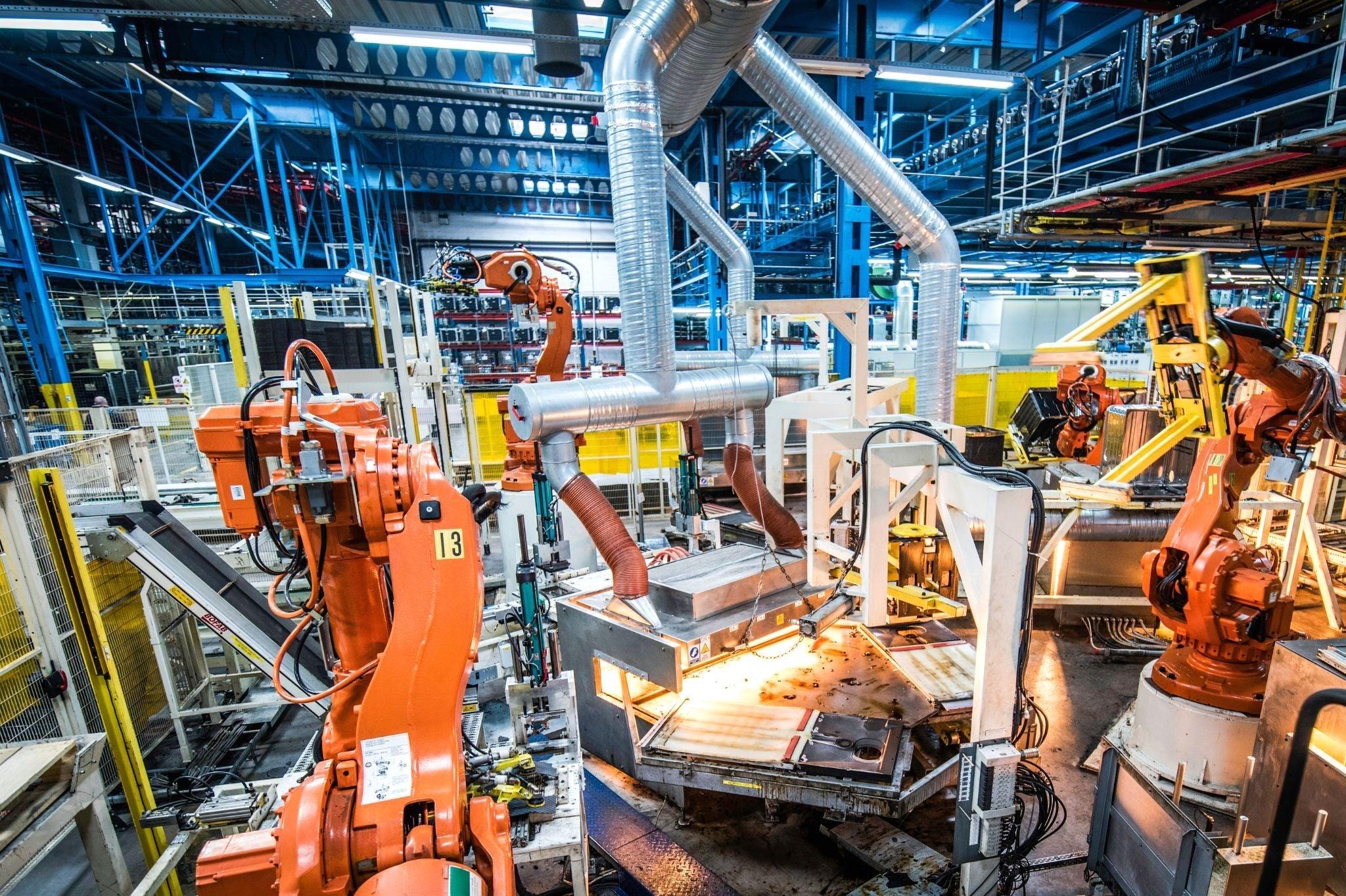
In recent years, nanomaterials have been increasingly widely used across various manufacturing sectors due to their ability to improve material properties and enhance product performance. With their extremely small size and unique physical and chemical properties, nanomaterials are becoming one of the key development directions in the advanced materials industry. From electronics, energy, construction, and automotive manufacturing to healthcare, many businesses have begun integrating nanomaterials into their production processes to meet increasingly demanding requirements for product quality, durability, and performance.
Enhancing Product Performance and Quality
One of the key advantages of nanomaterials is their ability to improve the properties of base materials without requiring significant changes to existing production processes. 
Depending on the type of nanomaterial used, products can be improved in terms of: • Mechanical strength and wear resistance. • Electrical and thermal conductivity. • Corrosion and oxidation resistance. • Stability under harsh operating conditions. • Product performance and service life. These improvements help businesses enhance product quality while optimizing operating and maintenance costs throughout the product lifecycle.
Development Trends Across Various Industrial Sectors
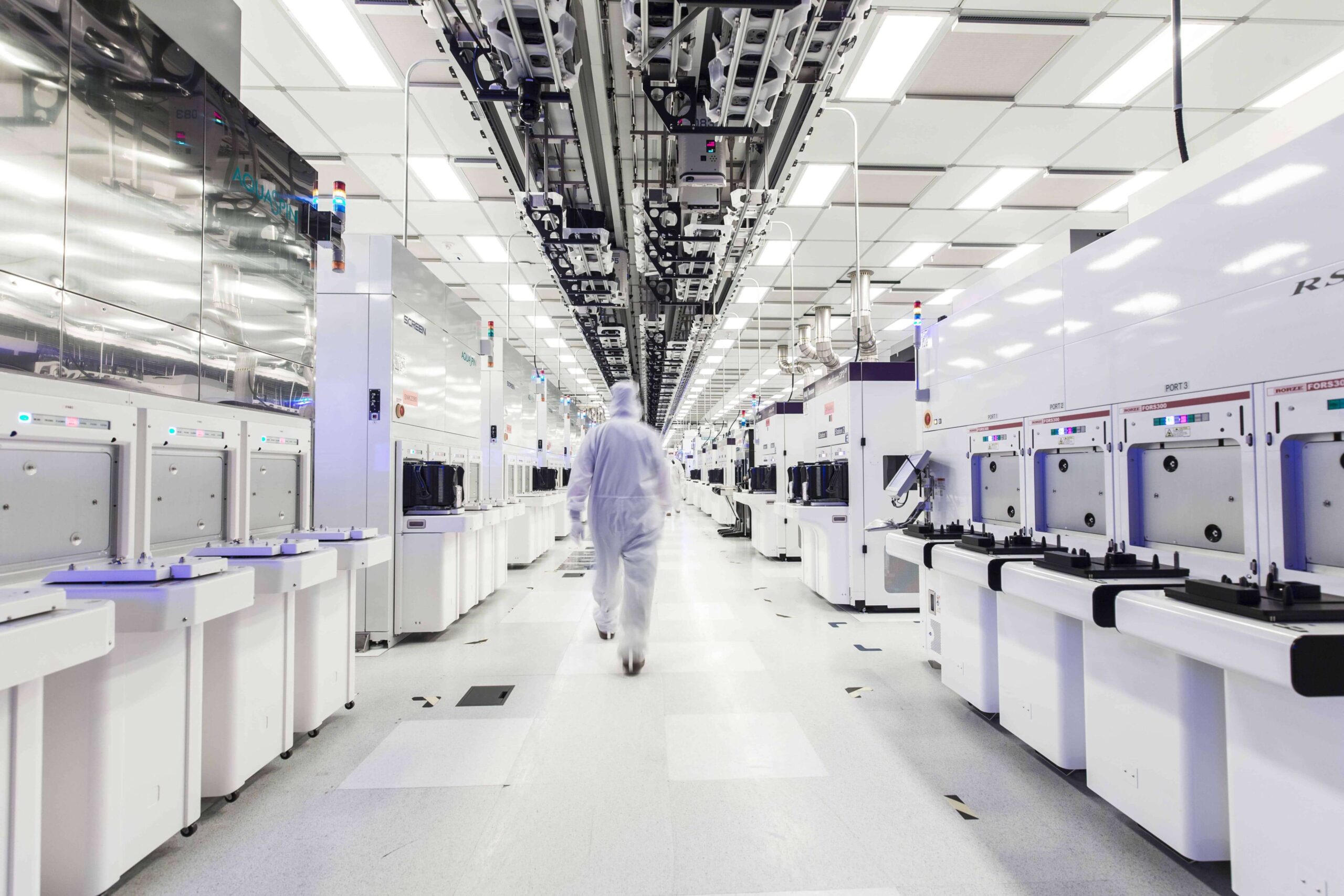
The development of modern manufacturing technologies is expanding the scope of nanomaterial applications across numerous industries. Some key application areas include: • Electronics and semiconductors: used in the manufacturing of electronic components, conductive materials, and functional materials. • Paints and coatings: improving scratch resistance, UV resistance, and surface durability. • Polymers and composites: enhancing mechanical properties, reducing weight, and improving material stability. • Energy: used in batteries, energy storage materials, and emerging energy technologies. • Research and development (R&D): supporting advanced materials research and the development of high-performance products.
Future Development Potential
Alongside the transition toward smart manufacturing and sustainable development, demand for high-performance materials is expected to continue increasing in the coming years. Nanomaterials are considered one of the key solutions that can help businesses strengthen their competitiveness and meet increasingly stringent requirements for quality, efficiency, and environmental protection. Selecting a stable supply of nanomaterials that meets technical standards and is suitable for specific application areas will help businesses optimize their production processes and enhance product value.
Conclusion
With their functional advantages and wide range of applications, nanomaterials are becoming an important trend in modern industry. The development of advanced materials technology not only creates new opportunities for manufacturers but also contributes to driving innovation and improving the quality of numerous industries in the future.
Related news
Growth trends of the chemical market globally and in Vietnam
Industrial Chemicals Market: Notable Trends

